How a Teacher Joined a Movement to Keep Black Girls Involved in STEM
Black girls are less likely to be enrolled in higher-level math and science classes. Black Girls Love Math aims to change that

;)
Education news and commentary, delivered right to your inbox.
Sign up for 社区黑料 newsletter.
Get stories like this delivered straight to your inbox. Sign up for 社区黑料 Newsletter
Growing up, Atiyah Harmon always gravitated toward math. In elementary school, she developed a knack for the subject, participating in citywide math competitions in her native Philadelphia.
By high school, however, her interest in the subject had started to wane.
鈥淚 didn鈥檛 have really good teachers,鈥� she said. 鈥淪o, I kind of backed away from it. My senior year I could have been in honors math and I chose not to be.鈥澛�
What pains her in retrospect is that no one urged her to take the higher-level math class. As founder of , Harmon wants Black girls to have the opposite experience today. She rediscovered her enjoyment of math while tutoring students and decided to become a math teacher, achieving that goal in 2005.
鈥淚 noticed around sixth grade the girls were still super excited to know the math, and around seventh or eighth, they would kind of veer away,鈥� she said. 鈥淚t was just like, 鈥楾his is interesting. What鈥檚 going on here?鈥欌��
A friend suggested that Harmon take action to address the issue, and she launched Black Girls Love Math in 2020. The organization aims to foster a fun and encouraging learning environment through which Black girls in grades K-12 can develop the confidence to explore mathematical concepts, participate in cooperative competitions, and receive mentoring and other services in a culturally responsive manner. Up to 300 girls from Philadelphia-area schools take part in the program, repeating affirmations and celebrating 鈥淪he-roes鈥� 鈥� prominent Black women in math 鈥� during sessions.
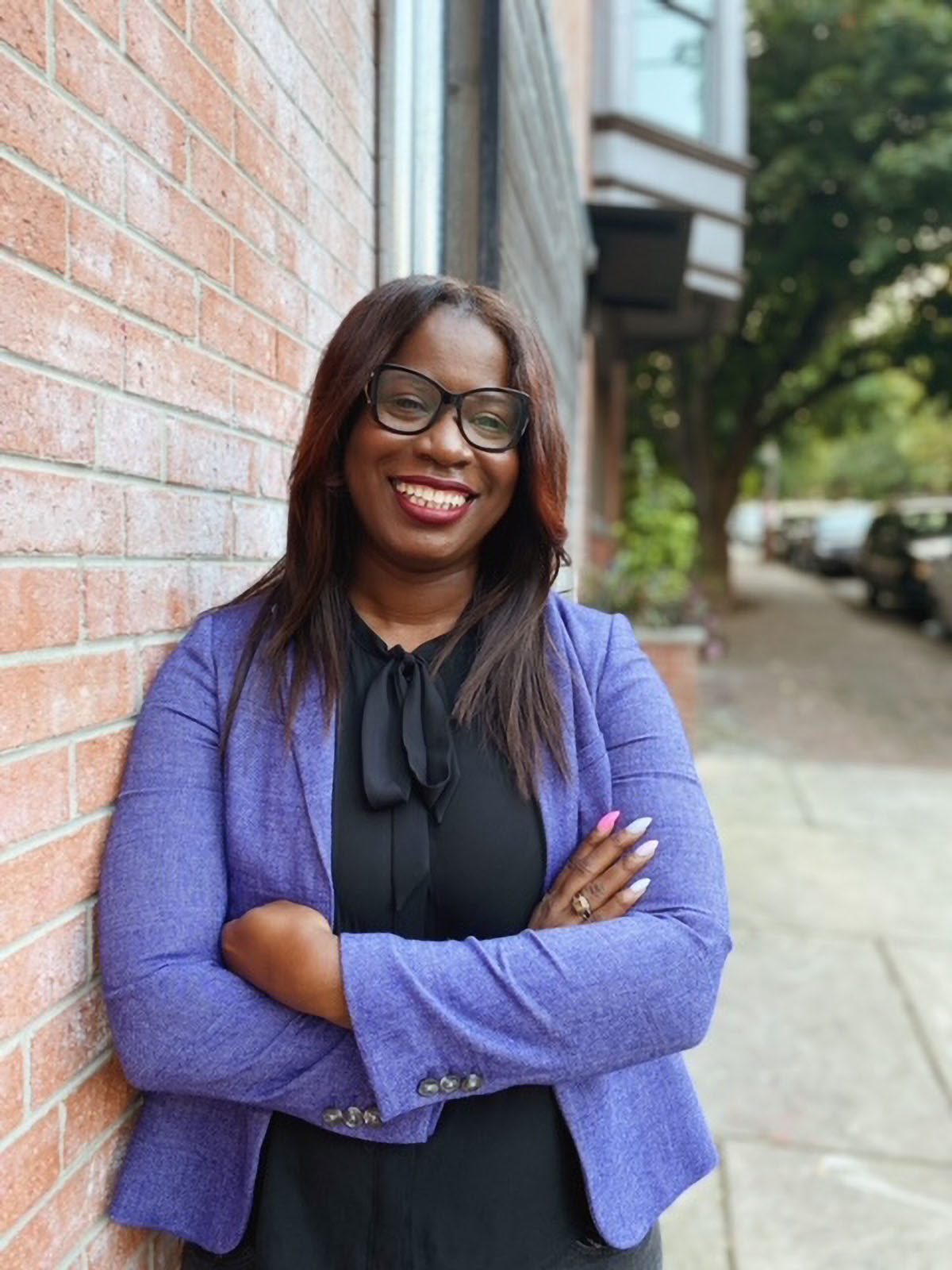
Although Black Girls Love Math is a new organization, it鈥檚 part of a 21st-century movement across the country to foster Black girls鈥� interest in science, technology, engineering and math (STEM) subjects, an area where girls and women of all racial backgrounds have long been underrepresented. Efforts such as Girls Who Code, I Am STEM and Girls STEM Institute, which predate Black Girls Love Math, share a similar mission to inspire Black girls and other marginalized youth to fulfill their potential in math and science.
Just , and research indicates the problem starts well before college graduation. A 2021 study found that educators are , even when their academic records are similar to students enrolled in such classes. When Black girls overcome the hurdles they face in high school and college to enter a STEM profession, they often . Black and Hispanic women in STEM earn a median annual salary of $57,000, significantly less than White and Asian women and men of any race, according to the Pew Research Center.
One of the benefits of math and science enrichment for Black girls, the founders of these programs say, is that participants learn to have faith in their academic prowess and their worthiness as individuals.
Lauren Shepherd, 8, has been involved in Black Girls Love Math since last year. She has enjoyed learning about Black women mathematicians such as Mary Jackson, depicted in the 2016 film 鈥淗idden Figures.鈥�
Math is Lauren鈥檚 favorite subject in school because she enjoys learning how numbers make things work, she said. But she also appreciates the math enrichment she receives in Black Girls Love Math.
鈥淚t is not like you鈥檙e doing the same thing in school,鈥� she said. 鈥淵ou get to do games while you鈥檙e learning.鈥�
LaShaya Duval-Shepherd is Lauren鈥檚 mother and also the head of Philadelphia鈥檚 Belmont Charter High School. She said math enrichment gives children a break from the drills commonly assigned in math class and can help them enhance their skills and become active learners.
鈥淚t鈥檚 OK to be wrong,鈥� she said. 鈥淚t鈥檚 OK to figure out things and not always know [the answers]鈥�, to just stick with it and feel passionate if there鈥檚 something that you have an interest in.鈥�
She wanted her daughter to take part in Black Girls Love Math so Lauren could interact with Black women in STEM and discover that studying math can prepare one for a variety of fields.
As an educator, Duval-Shepherd has seen too many girls shy away from math as they reach high school. She wants Lauren to have a different outcome.
鈥淪he always had an affinity toward math,鈥� Duval-Shepherd said. 鈥淚 thought it was important that she continued to see math as something that she was good at and that gave her confidence.鈥�
Gina Cappelletti, assistant principal of instruction at the Mann Campus of Mastery Charter Schools in Philadelphia, brought Black Girls Love Math to her school for similar reasons. Her student body is nearly all Black, and she wanted the girls there in particular to believe that they could excel in math. Marginalized students are vulnerable to a phenomenon known as in which they hear the negative stereotypes about their demographic, such as 鈥淏lack girls aren鈥檛 good in math,鈥� and perform poorly when tested on that subject as a result.
鈥淲e know from research that math anxiety is real; stereotype threat is real,鈥� Cappelletti said. 鈥淪o, consistently girls, and even more so Black girls, are told what they鈥檙e good at, what they鈥檙e not good at, how they can participate, where they can participate. And, oftentimes, those things exclude them from mathematics.鈥�
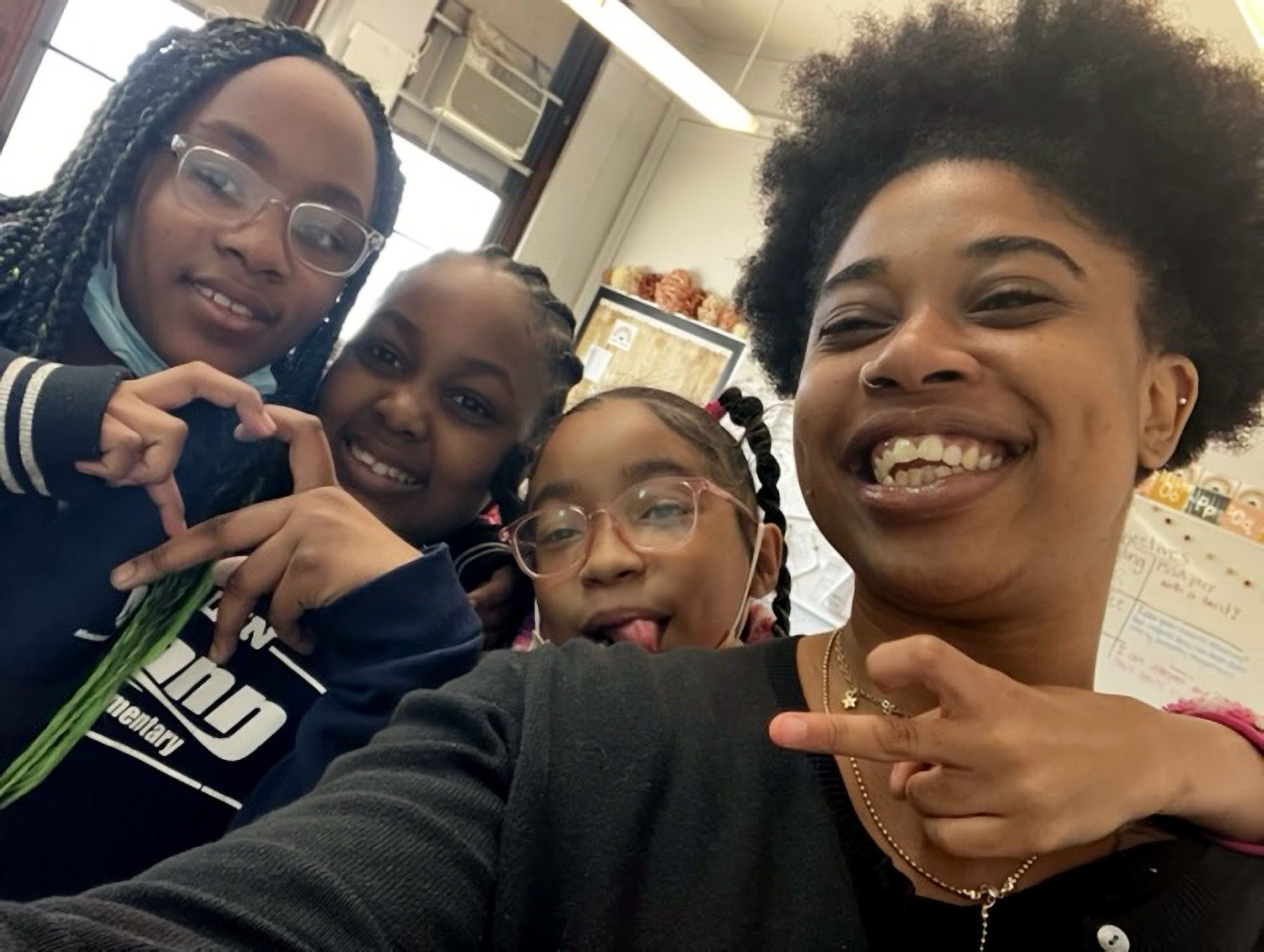
Math enrichment programs like Black Girls Love Math create a safe space for students to build confidence with the encouragement of others, Cappelletti added. She said that leads to a shift in mindset that she has observed in her students, several of whom did not consider themselves to be good at math before participating in the program. Cappelletti said Black Girls Love Math also helped their academic performance: Class participation increased, and they were more willing to problem solve and take risks than they had been before.
She credits these improvements to the relationships that the girls formed with the program鈥檚 teachers, Black women who work in mathematics or related fields.
鈥淲e know that the teacher in the room makes a difference, right?鈥� Cappelletti asked. 鈥淚f students see that role model and know that someone believes in them, those things lead to academic gains. The [Black Girls Love Math] teachers were just incredibly supportive and encouraging, and the girls were able to have a role model and feel comfortable working on their math skills.鈥�
Harmon eventually wants to scale the program, branching out to Brooklyn and Harlem in New York, and then across the country, and possibly around the world, she said.
Outside Philadelphia, programs such as and are also providing math and science enrichment for Black girls. In 2017, Natalie S. King, assistant professor of science education at Georgia State University, started her two-month-long I Am STEM enrichment summer camps in the Atlanta metro area. The camps serve about 500 youth, largely Black girls.
鈥淎 lot of times in our schools, science is basically memorization and regurgitation of information, and that鈥檚 not what we want them to do,鈥� King said. 鈥淲e want them to engage in critical thinking. We want them to learn how to communicate their knowledge and be able to collaborate with other individuals because science does not happen by yourself. It happens in collaboration with other scientists.鈥�
King also wants the students in her program to think of themselves as brilliant and gifted and to develop their creativity, inquisitiveness and sense of purpose.
鈥淭he more that we can affirm and validate them, the better off they can be when they go out back into their schools or back into their communities,鈥� she said.
At the Girls STEM Institute, founded by Crystal Morton, an associate professor of mathematics education at Indiana University-Purdue University at Indianapolis, students receive math and science enrichment during the summers and on Saturdays throughout the year. In the program, girls learn to apply math and science to real-world situations.
Demetrice Smith-Mutegi, the program鈥檚 director of science engagement and research collaborator, said students learn to connect financial literacy to math standards. They also use math to explore issues such as the role of interest rates in housing discrimination or the demographics of groups receiving vaccines, said Smith-Mutegi, an assistant professor in the Darden College of Education & Professional Studies at Old Dominion University.
鈥淐lassrooms need to be humanizing,鈥� said Smith-Mutegi, who on the impact of Girls STEM Institute. They found that participants developed higher levels of self-efficacy, or the 鈥渃onfidence that one can achieve a goal.鈥�
鈥淐lassrooms need to be spaces where they can engage in authentic math and science experiences, where they can apply their day-to-day living to solving problems and working collaboratively and really just thinking about how to enjoy what they鈥檙e learning, essentially,鈥� Smith-Mutegi said.
Girls STEM Institute also involves the families of students in the learning process, a move that schools don鈥檛 always make, Smith-Mutegi said. The youth in the program not only feel more comfortable about their math and science abilities after participating but also are engaged enough in their education to advocate for themselves back in their classrooms. They鈥檙e learning to speak up when they need support rather than sit back and stay quiet, Smith-Mutegi said.
Self-advocacy is a skill that Harmon wishes she had when she opted out of honors math her senior year. Through Black Girls Love Math, she hopes to affirm her students to such a degree that they stand up for themselves when others have low expectations for them and don鈥檛 encourage them to reach their academic potential.
Ultimately, Harmon intends to counter harmful narratives about Black girls and mathematics. The program is especially affirming for Black girls who enjoy math and don鈥檛 want to feel like the odd one out for their interest in the subject, Harmon said.
鈥淚t鈥檚 safe to embrace your love of math in this community,鈥� she said.
Did you use this article in your work?
We鈥檇 love to hear how 社区黑料鈥檚 reporting is helping educators, researchers, and policymakers.