Mississippi Lawmakers Push Plan For a Math ‘Miracle’
A law helped boost Mississippi鈥檚 reading scores. A decade later, state leaders are focusing on math.

;)
Education news and commentary, delivered right to your inbox.
Sign up for 社区黑料 newsletter.
Get stories like this delivered straight to your inbox. Sign up for 社区黑料 Newsletter
Mississippi fourth graders鈥� average math scores on the 2024 National Assessment of Educational Progress were higher than their peers in at least 18 other states and in 20 other states in reading 鈥� a dramatic rise from the state鈥檚 standing a decade ago.
Experts say the big gains in fourth grade reading were in large part due to the 2013 Literacy-Based Promotion Act, a state law that raised literacy standards and established a reading 鈥済ate,鈥� a test that third graders have to pass to advance to fourth grade. The legislation focused on reading, but math scores started rising around the same time.
However, despite the state鈥檚 national standing, the proficiency rates are middling. Just 38% of fourth-graders were proficient in math in 2024, and 32% in reading.
By middle school, those rates falter even further: 22% of Mississippi eighth graders on the 2024 math national assessment. It鈥檚 an improvement from 9% in 2000, but still lower than the national average. In reading, 23% of Mississippi eighth graders scored at or above NAEP Proficient in 2024, which is slightly lower than pre-pandemic averages. That average is also lower than in .
This year, state leaders are trying to prevent that drop-off and sharpen their focus on math.
would expand the state鈥檚 existing literacy act into higher grades and establish a math framework that would involve interventions similar to those that contributed to the state鈥檚 celebrated gains in reading. That framework would be Mississippi鈥檚 first statewide math initiative. (The bill鈥檚 original language, which was entirely replaced by the House Education Committee, would have required computer science courses for high schools.)
A portion of the bill dubbed the 鈥淢ississippi Math Act鈥� would establish Moving Mathematics in Mississippi (M3), a framework that would require supports such as math coaches in all schools, prioritizing grades 2-6, screeners and targeted interventions and establishing a cut-off score on the state鈥檚 fifth-grade math assessment to ensure students are ready to take algebra classes.
鈥淚 think our reading success is something people talk about because it鈥檚 been a national topic of conversation across the country,鈥� said Grace Breazeale, a K-12 researcher at policy advocacy organization Mississippi First. 鈥淚t鈥檚 not that math has necessarily been cast to the side over the past two decades 鈥� we have seen improvement 鈥� but there鈥檚 still a lot of room for improvement as well.鈥�
The math push, in particular, is in line with the Mississippi Department of Education鈥檚 shift toward economic development and workforce fortification. The department has recently reworked the standards by which schools are rated with a new focus on career and technical education. The state Board of Education approved the new accountability standards in November.
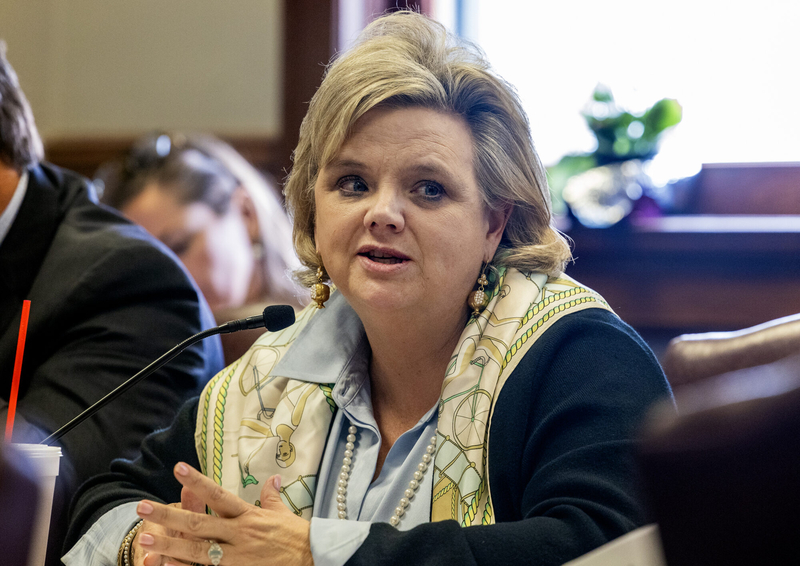
Lawmakers say focusing on math will boost the state鈥檚 economy and pave the way for higher employment rates.
鈥淲e鈥檝e got to change the culture in our schools,鈥� said Sen. Nicole Boyd, a Republican from Oxford. She authored a Math Act bill in her chamber, but the House killed it. 鈥淚nstead of kids saying, 鈥業鈥檓 bad at math,鈥� they should be saying, 鈥業 can do this.鈥� When we change that, we鈥檙e going to change the jobs our kids are able to go into and the careers they choose.鈥�
Adapting the Alabama model for math gains
Boyd remembers what it was like to look down at a sheet of math problems, wrought with frustration. Decades later, Boyd said, that feeling returned when her daughter came home with math homework and asked her to help.
鈥溾�奍 don鈥檛 want a child to feel that way,鈥� she said. 鈥淚 don鈥檛 want any parent to feel that way.鈥�
That鈥檚 why Boyd has championed the math act in her chamber.
The bill was drafted with direction from the Mississippi Department of Education and with an eye toward other states that have implemented similar acts. Alabama, in particular, was a model, Boyd said.
Alabama established a math act in 2022 aimed at improving K-5 math proficiency through intensive student interventions and teacher training, among other things. Subsequently, Alabama where average fourth grade math NAEP scores were higher in 2024 than in 2019. There was no significant change in average NAEP scores for Mississippi fourth graders.
Latrenda Knighten, president of the National Council of Teachers of Mathematics, has been watching Alabama鈥檚 progress closely.
鈥淭hey were one of the first to make that commitment and stick to it, and you鈥檝e seen that incremental change,鈥� she said. 鈥淪low and steady wins the race. That is because they thought about what the students needed and what the teachers needed.鈥�
Mississippi Education Department officials say the act鈥檚 framework, Moving Mathematics in Mississippi, would build on work the department is already doing, and similarly to the 2013 literacy act, it鈥檚 centered around collecting data, identifying struggling students and coaching teachers.
The math efforts would be concentrated in grades 2-6, said Wendy Clemons, the agency鈥檚 chief academic officer.

鈥淩eally focusing on those grades, we feel, will make a difference,鈥� she said. 鈥淥bviously our state made a very focused, laser-like investment in K-3 literacy. My belief is that much of our tremendous success has to do with that commitment.鈥�
The department already deploys coaches to the most vulnerable districts and schools and hosts a statewide math conference for educators, but teachers say they want and need more support, Clemons said.
鈥淲e worked with the department really closely on this,鈥� said House Education Committee Vice Chairman Kent McCarty, a Republican from Hattiesburg. 鈥淭hey鈥檝e been implementing math coaches in districts throughout the state since 2023. We got a lot of data from them about where that鈥檚 worked, and we felt like the best thing we could do is expand on what they鈥檙e already doing.鈥�
The act won鈥檛 establish a 鈥済ate鈥� but it would put more focus on the fifth grade state math assessment. If students perform poorly on the test, parents would be notified, and an individualized plan would include specific steps to help that child improve their math proficiency.
And there鈥檚 more to come. Lawmakers, including Boyd, say they鈥檇 like to see even more added to the bill, like more support for parents and more math training for education students.
On the right track for improving math instruction
Experts say there are some essential components to successfully teach math.
The National Council of Teachers of Mathematics, Knighten鈥檚 organization, identifies that should be part of math education for teachers and students: conceptual understanding, procedural fluency, strategic competence, adaptive reasoning and productive disposition.
And the Mississippi Department of Education鈥檚 standards, which establish a roadmap for K-12 mathematics education, are based on the council鈥檚 standards. The agency allows districts to choose their own curriculum from seven selected 鈥渉igh-quality instructional materials.鈥�
There are also four cornerstones to math education in Mississippi, Clemons said. It needs to be cohesive, on grade level, data-driven and include standards-aligned lessons.
During Mississippi鈥檚 literacy push, lawmakers had the same goal of establishing consistency across districts.
鈥淲e picked this one way that science said works, and we went with it,鈥� Boyd said of literacy instruction. 鈥淭raining and everything was done with literacy coaches to really make sure we were teaching in one way. So when children moved from district to district, there was a consistency.鈥�
A big part of the math bill would be deploying more coaches to districts across the state to underscore the importance of the standards and applying them uniformly.
鈥淲e haven鈥檛 had the investment in mathematics as we have in literacy,鈥� Clemons said. 鈥淲e just haven鈥檛 been able to say, 鈥楾his is what鈥檚 gonna make the difference. This will provide a lot more capacity, both at the state level and in the district levels, to provide that support to teachers and to students.鈥欌��
Knighten said Mississippi officials are on the right track.
鈥淢ath has always been a stepchild, for want of a better explanation. You hear people say they want to focus on math and reading, but when you look at the numbers, we spend more on literacy 鈥� so I鈥檓 excited to hear about what your state is doing.鈥�
Changing the culture around math
If state leaders want to see math gains, David Rock, dean of education at the University of Mississippi, recommends starting at the college level.
鈥淓veryone seemed to come together on literacy and did the training for pre-service teachers, and the results are there,鈥� he said. 鈥淚 want to see the same focus and passion on the math side.鈥�
After the 2013 literacy act, college education students were required to take more literacy education classes to graduate. The same needs to happen for math, Boyd said, to combat a culture of fear around math among students and teachers.
It鈥檚 a self-perpetuating cycle: Students who aren鈥檛 confident in math don鈥檛 want to teach it. Fewer well-trained math teachers means fewer students who have a robust math education.
鈥淚 realize there are people who have math anxiety,鈥� Rock said. 鈥淭o overcome that, we need to provide more training and opportunity to our pre-service teachers.鈥�
In addition to ramping up math training for teachers, some lawmakers are also interested in enshrining specific math standards in state law, establishing a math 鈥済ate鈥� and promoting a single curriculum for math instead of letting districts choose one.
鈥淲hat I鈥檝e heard from my body is they want more than what we鈥檝e just put in the act,鈥� Boyd said. 鈥淚t鈥檚 a work in progress.鈥�
It鈥檚 important to get the bill right, she said 鈥� not only for the success of the state鈥檚 education system, but Mississippi as a whole.
鈥淭here are so many jobs that are just not available to somebody if they don鈥檛 have a solid math background,鈥� Boyd said. 鈥淲e鈥檝e got to increase these math scores because it opens up a world of opportunity.鈥�
Did you use this article in your work?
We鈥檇 love to hear how 社区黑料鈥檚 reporting is helping educators, researchers, and policymakers.