
The Re-Education of Uch茅 Blackstock, the Doctor Disrupting ‘Medical Apartheid’

;)
Education news and commentary, delivered right to your inbox.
Sign up for 社区黑料 newsletter.
This is part of our Community Cultivator series, which highlights how innovators across all sectors build and sustain global communities from the ground up.
Early Learning Nation’s Community Cultivators series highlights how innovators across all sectors build and sustain global communities from the ground up.
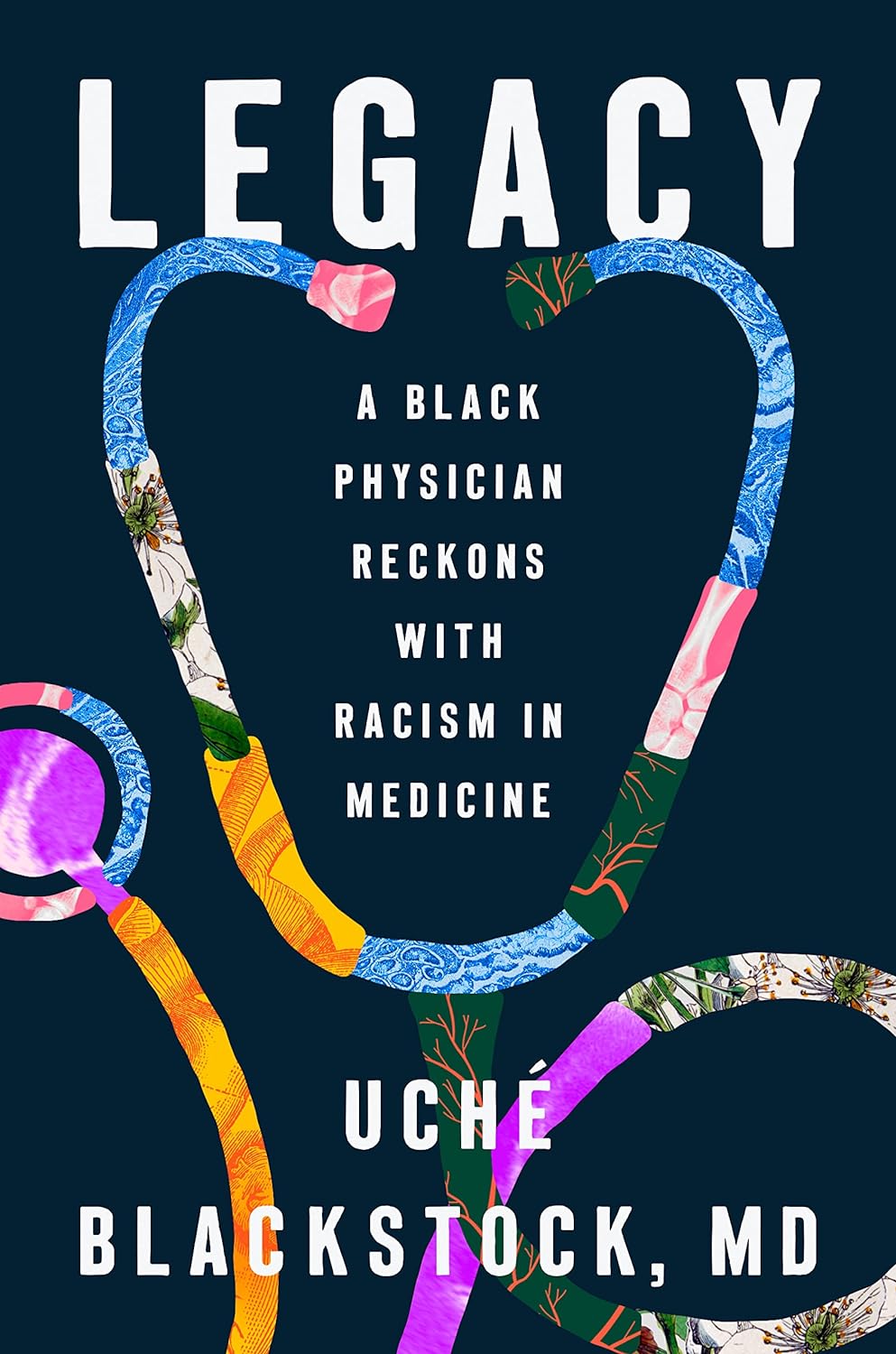 Uch茅 Blackstock didn鈥檛 plan to become a radical physician, but the pain and death she witnessed at Kings County Hospital in Brooklyn radicalized her. After 鈥淛ordan,鈥� a young man who looked even younger, died of sickle cell anemia, she contemplated how racism in research, medical education and society has failed to help patients with this painful hereditary disease. His case was far from unique. 鈥淢y time at Kings County,鈥� Blackstock writes in her new book , 鈥渕arked the beginning of my reeducation as a physician.鈥�
Early Learning Nation magazine recently talked to Blackstock, founder of , a nonprofit dedicated to redressing the root causes of what she terms 鈥渕edical apartheid鈥� 鈥� which she defines as 鈥渁 two-tiered system 鈥� that contributes to bad outcomes for our most vulnerable patients and ends up costing us more in the long run.鈥�
As with the other Community Cultivators we have featured, her insights apply beyond her own specialty and should resonate with educators of and advocates for young children.
Here鈥檚 what we learned from Blackstock:
The title of her book works on many levels. There are many kinds of legacies, and one is familial: when Blackstock enrolled in Harvard Medical School, she was following in the footsteps of her mother, who graduated from the august institution in 1976. The elder Blackstock also worked at Kings County Hospital. Her mother鈥檚 accomplishment and determination inspired her, but the quality that stood out most was compassion. In part because she herself had overcome a stutter, she 鈥渄eveloped a particular kind of empathy for those who are struggling,鈥� the author says. Twin sister Oni Blackstock also became a physician and founder of a nonprofit , which offers training and coaching to promote organizational equity.
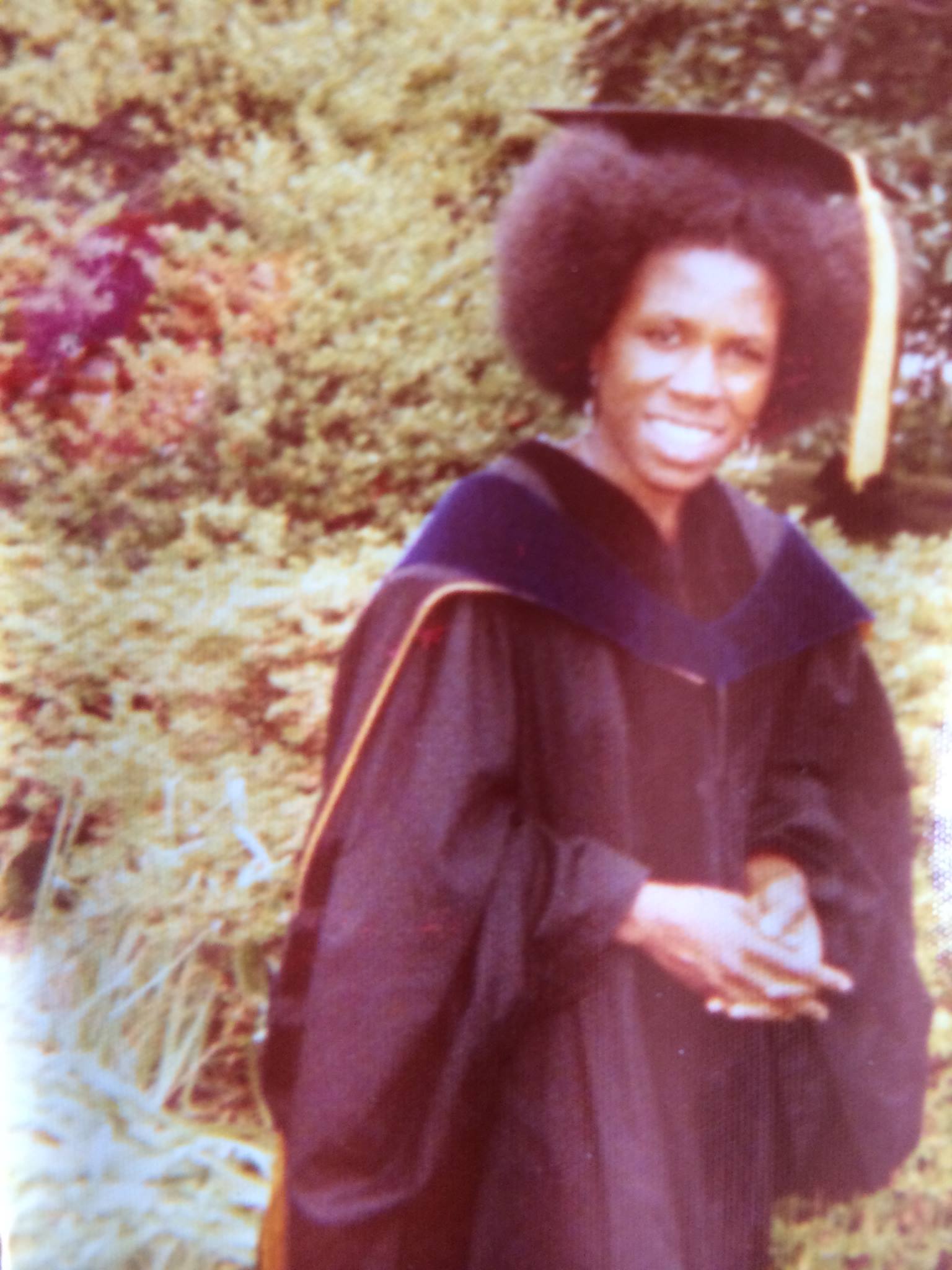
Will Uch茅 Blackstock鈥檚 two children follow in their mother鈥檚, aunt鈥檚 and grandmother鈥檚 footsteps? It鈥檚 too soon to tell 鈥� they鈥檙e only 7 and 9. For now, she says, 鈥淧arenting is probably my hardest role, and it’s so funny because you don’t even get any training. It’s on-the-job training.鈥�
Medical education has come a long way, and has a long way to go. Simply put, race is a social construct, with no basis in science. There is no blood test to determine someone鈥檚 race, and yet Blackstock鈥檚 book chronicles a number of moments in medical school when textbooks and professors alike cited myths about anatomical differences between Black and white patients as if they were objective fact. 鈥淚 now realize that this so鈥慶alled objectivity was anything but,鈥� she writes.
As with any curriculum, she stresses, what gets left out matters as much as what鈥檚 included. 鈥淪o in the past, there was this emphasis on what happens within the exam room, but now we鈥檙e acknowledging that when you’re talking to your patient, everyone else in their community is in the room with you.鈥� Their family, their job, their living conditions, their education all contribute to health and disease. Blackstock believes all medical students should study public health in order to understand how their patients fit into community and population factors.
Trust is a matter of life and death. Having a doctor who looks like you 鈥� or who at least cares about who you are 鈥� can mean the difference between living a full life and dying prematurely. Blackstock cites a that finds mortality rates sharply lower for Black newborns cared for by Black physicians.鈥�
More broadly, Legacy details the hazards of 鈥渋nstitutional untrustworthiness,鈥� which occurs when major systemic and minor interpersonal failures accumulate to the point that patients justifiably feel that the institutions designed to help them are not worth the risk. The book argues that it is up to these institutions to win back the trust of the Black community, and Blackstock鈥檚 prescription includes listening and understanding. 鈥淭he pandemic,鈥� she says, 鈥渞evealed all these deep fissures within multiple systems, especially our health care system.鈥� To counter the health risks posed by racist laws and norms, the medical establishment has an obligation to improve its capacity to see these factors clearly and to respond forcefully and empathetically.
Physicians can be advocates. 鈥淗ealth is not just about individual choices,鈥� Blackstock notes. Doctors can recite advice about eating healthy and getting exercise until they鈥檙e blue in the face, but these behavioral changes constitute only 20% of what makes someone healthy. The other 80% comprises systemic factors beyond the individual鈥檚 control, such as the quality of the air, the affordability of housing, the availability of healthy food choices.
What good is writing a prescription for a patient when there aren鈥檛 any pharmacies in the neighborhood? What does it mean to treat bullet wounds without confronting the ubiquity of firearms or the economic factors that lead to gun violence?
Physicians need to recognize their roles as advocates. When Blackstock writes op-eds or testifies before Congress, she鈥檚 drawing upon her medical education to improve the health of people she will never meet in person. 鈥淚’m not saying physicians need to save the world,鈥� she says, 鈥渂ut we need a system where we do more than just prescribe medications and tell them not to drink and smoke.
The emergency room is in a state of emergency. A dysfunctional and chronically underfunded health care system places an unsustainable burden on the site that should be the last resort for patients. Legacy lays it on the line, calling the American emergency room 鈥渢he place where the United States鈥� social problems come home to roost.鈥�
Blackstock says she originally chose emergency medicine as a specialty because it meant being able to serve everyone who walked through (or was rolled through) the doors. 鈥淚 knew I’d be able to take care of all comers, regardless of socioeconomic status,鈥� she says. 鈥淏ut I didn’t recognize that so many people used the emergency department for primary care services.鈥� Investments in social services, public health and primary prevention 鈥� as well as comprehensive health coverage 鈥� would eliminate many or even most emergency room visits, she says, allowing ERs to function better for the cases they were intended to serve.
Many of the issues Blackstock highlights in Legacy boil down to the social determinants of health. The book, she says, was conceived as way of helping readers connect the dots between the world around us and the state and fate of our bodies.
This story originally published on Early Learning Nation and is now archived on 社区黑料. Learn more here.
Mark Swartz writes about efforts to improve early care and education as well as developments in the U.S. care economy. He lives in Maryland.
